Repair intelligence for workshops & fleets
From warning light to verified repair.
Tixengi gives automotive service teams one place to understand vehicle faults, organize diagnostic evidence, follow structured inspections, document repairs and build a service history that gets smarter with every visit.
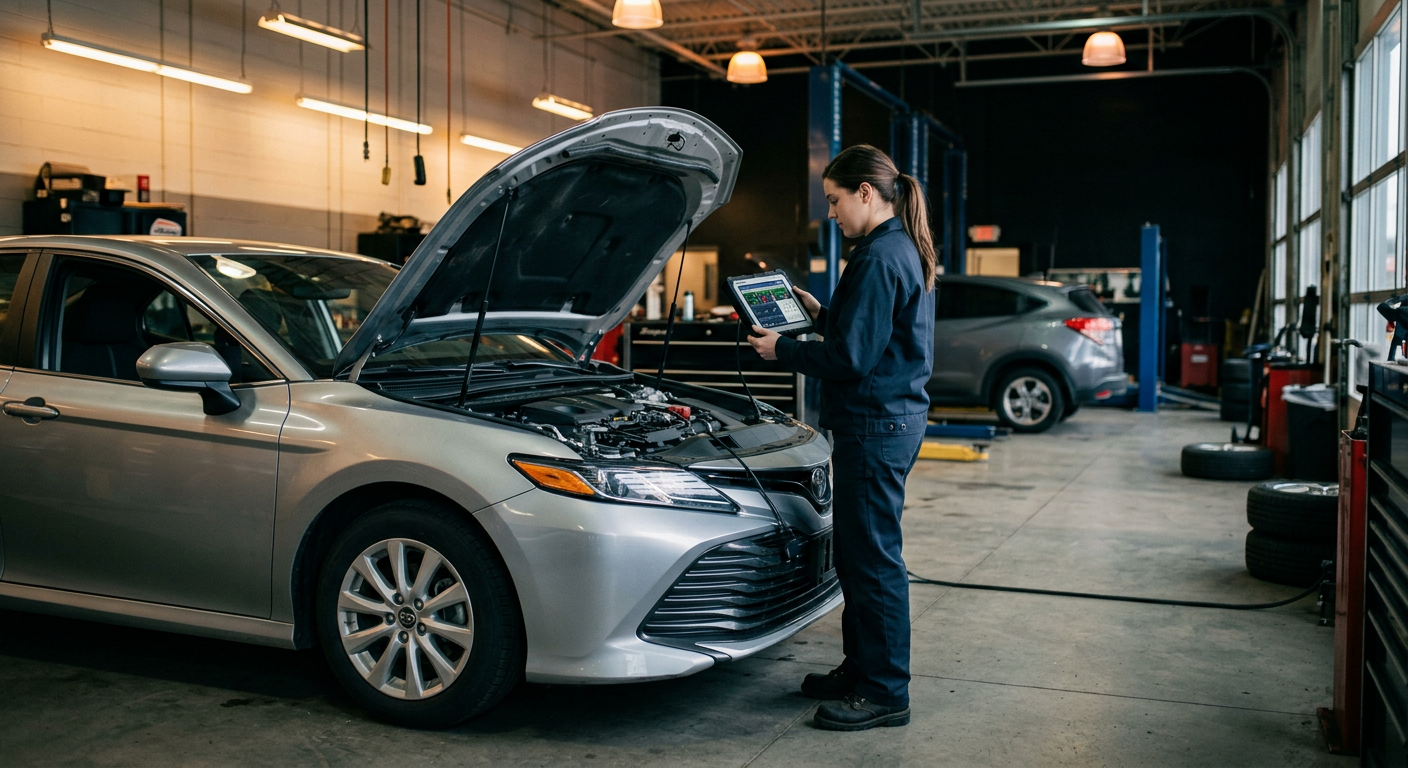
Toyota Camry · 2018 · 2.5L
Next: inspect intake hose between airflow sensor and throttle body
Illustrative vehicle demonstration
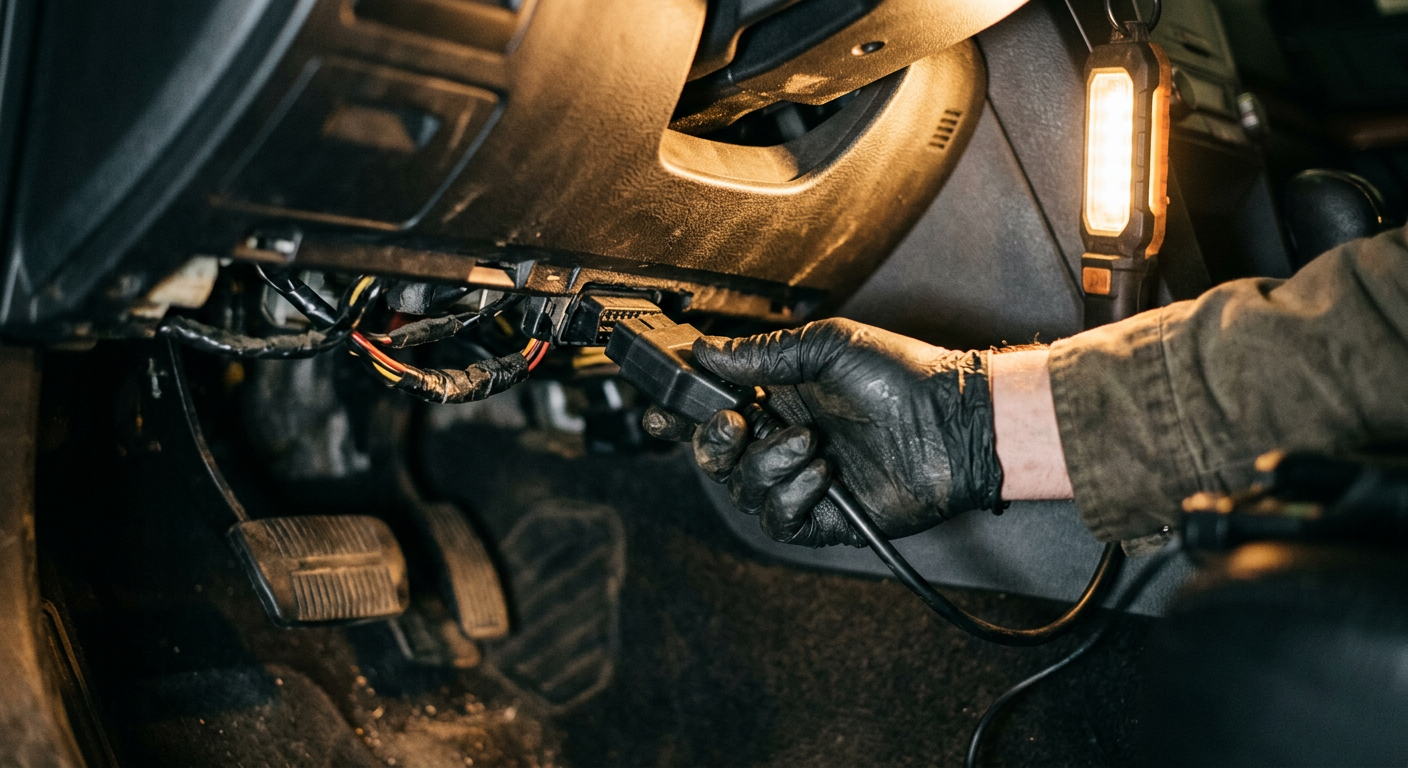
The problem
The scanner tells you what the ECU saw. Not what caused it.
- 01
Diagnostic information is fragmented
Fault codes on a scanner, complaints on paper, past repairs in WhatsApp, photos on someone’s phone.
- 02
Fault codes don’t equal root causes
P0171 says the mixture is lean — not whether it’s a leak, a sensor or fuel delivery.
- 03
Every visit starts from scratch
When the last technician leaves, the vehicle’s history leaves with them.
- 04
Parts replaced before they’re verified
Guess, replace, retest, repeat. Wasted labour, unnecessary parts and comebacks.
Diagnostic assist
Evidence before replacement.
Tixengi combines codes, mileage, vehicle data, past repairs and technician observations into ranked investigation paths — then tracks every check until the fix is verified.
Potential investigation areas
1. Intake air leak
High relevanceInspect intake hoses and vacuum connections for leaks or damage.
2. Airflow measurement issue
Moderate relevanceInspect the airflow sensor and related connections before considering replacement.
3. Fuel-delivery condition
Requires verificationVerify fuel-pressure readings against vehicle specifications.
AI-assisted guidance. Verify findings using manufacturer procedures and professional inspection before replacing components.
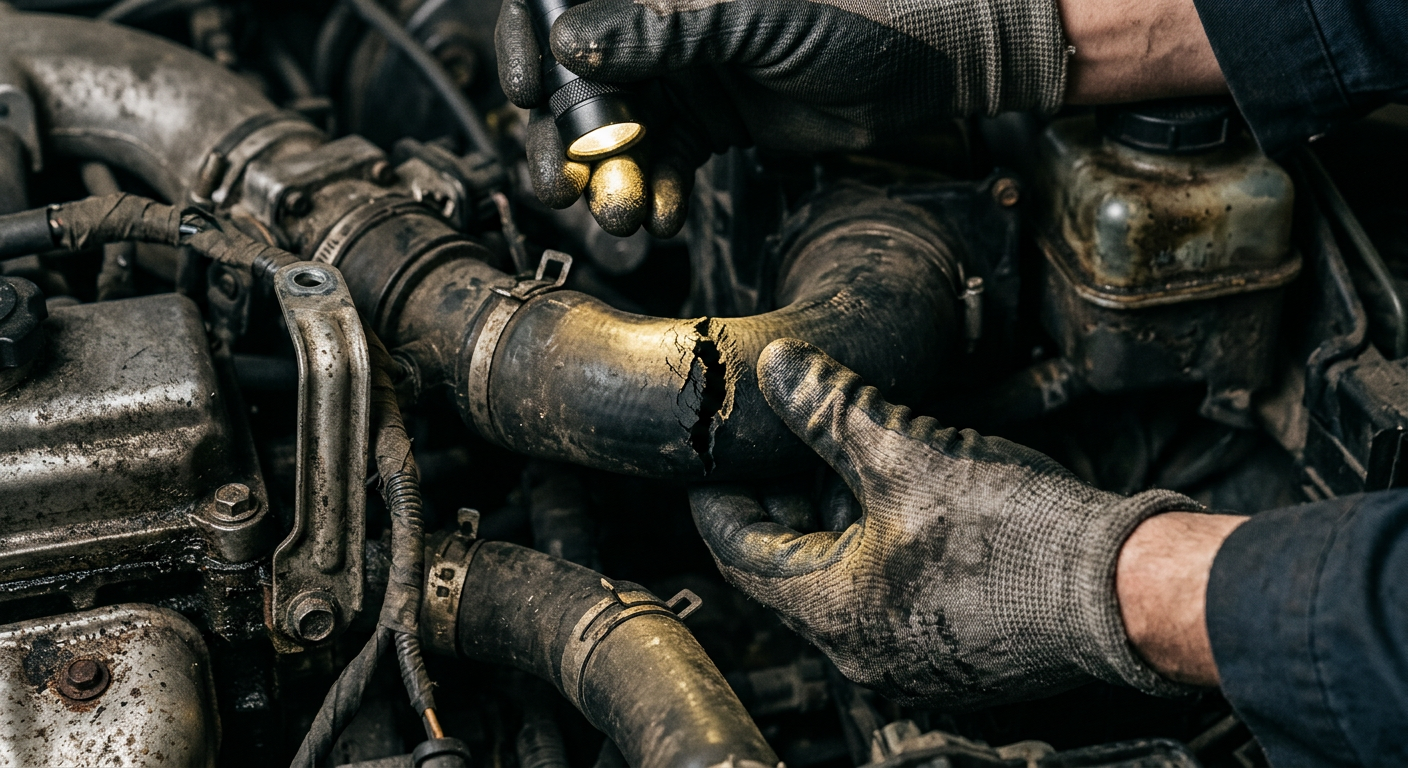
Split intake hose between MAF sensor and throttle body.
Suggested diagnostic path
- Completed
Inspect intake system
Split intake hose discovered
- Completed
Repair / replace damaged hose
- Completed
Clear diagnostic codes
- Completed
Road test
- Completed
Re-scan vehicle
No active P0171 · No active P0101
The workflow
Complaint → Evidence → Diagnosis → Verification → History.
- 01
Identify the vehicle
Registration, VIN, make, model, year, mileage and engine.
- 02
Record the complaint
Capture what the driver actually experienced.
- 03
Import diagnostics
Enter or connect OBD results and inspection notes.
- 04
Investigate
Evidence organized into AI-assisted investigation paths.
- 05
Technician verifies
Tests performed and findings recorded.
- 06
Repair
Approved work completed, parts and labour logged.
- 07
Verify
Re-scan, inspect or road-test before closing the job.
- 08
Build history
The repair joins the permanent vehicle record.
- 09
Follow up
Maintenance reminders and post-repair check-ins.
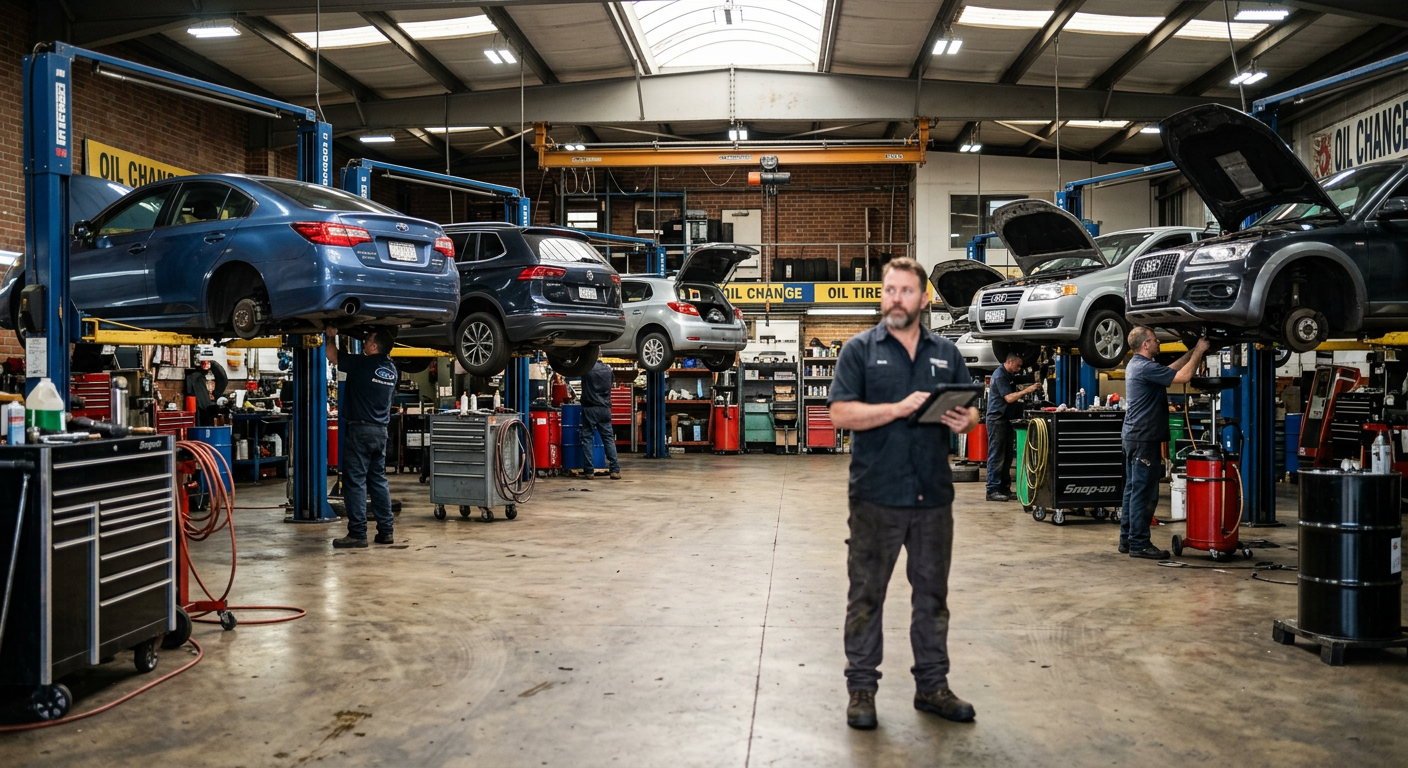
Workshop dashboard
See every bay without walking the floor.
- In diagnosis
- 6
- Awaiting approval
- 4
- Repair in progress
- 3
- Ready for collection
- 1
Fleet insight
Spot recurring patterns across every vehicle you maintain.
Tixengi surfaces repeat repairs across a fleet without overclaiming — flagging patterns for your team to review, not declaring defects.
Built for
- Independent repair workshops
- Multi-location service centers
- Fleet maintenance teams
- Mobile mechanics
- Vehicle inspection businesses
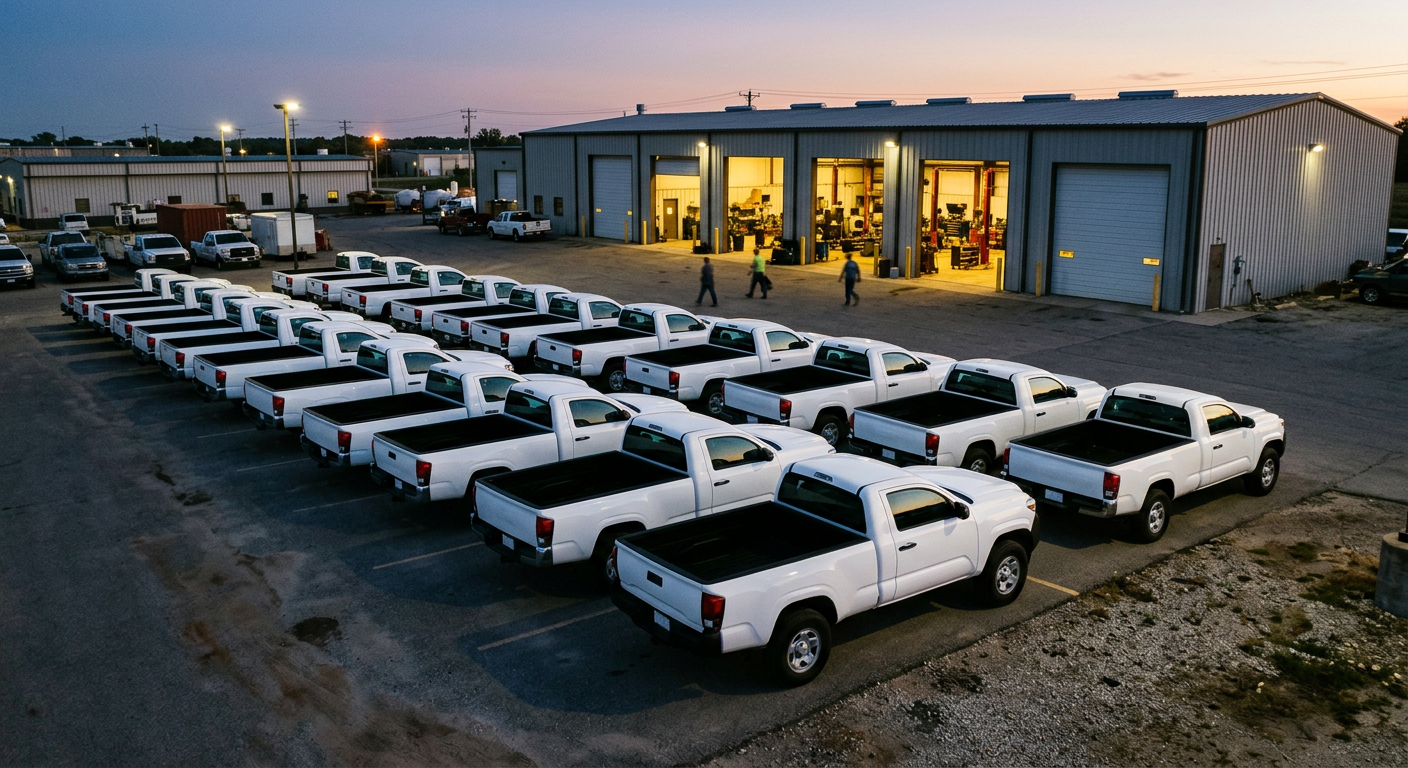
Recurring pattern · 12 Toyota Hilux
5 vehicles have recorded similar front suspension repairs within the past 8 months.
Consider reviewing operating conditions, mileage and inspection histories.